


|
Quantity
|
Total
|
||
|
|
|||
|
|
|||
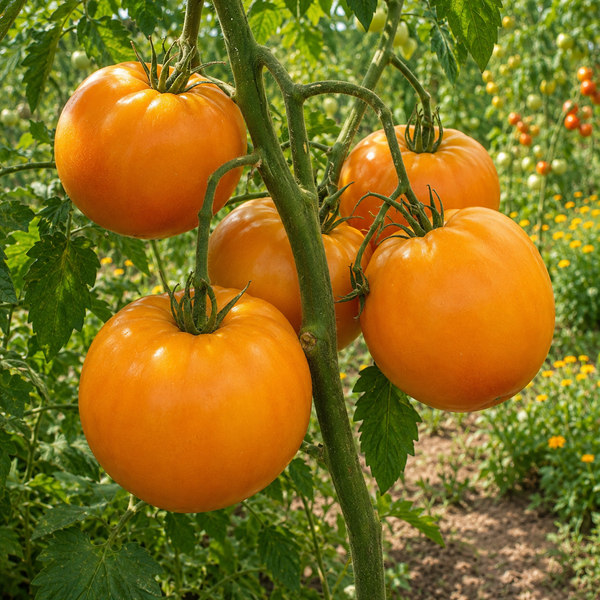
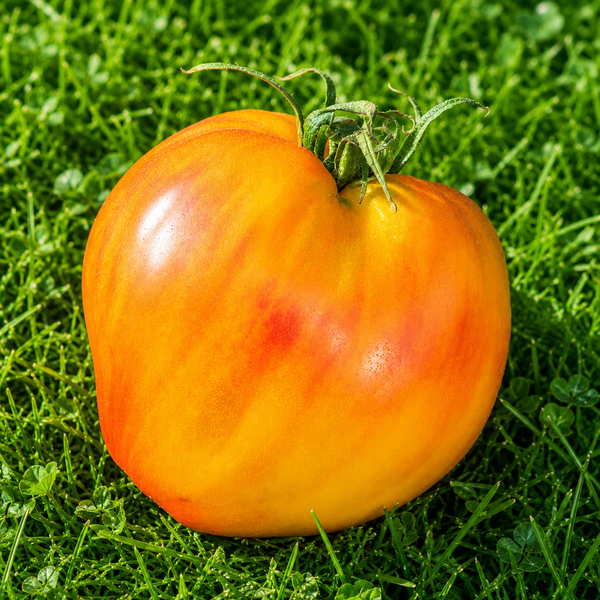
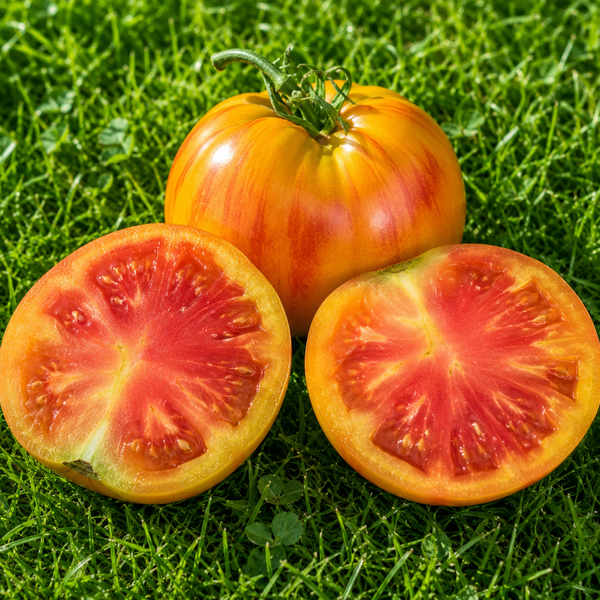
KOZULA-156, Poland. Mid-season, large-fruited bicolor. The plant reaches 1.2 meters, strong, with 3–4 fruits per cluster, weighing 150–200 grams. The fruit shape is round-flattened, sometimes flattened-heart-shaped, with plump ribbing near the stem. The fruits are large, heavy, and dense. Color — pink with an orange blush. The flesh is bright, deep orange with a red core. The taste is excellent: very sweet, rich, melting, and highly aromatic.
A mid-season, indeterminate, highly productive tomato. Bred by Polish breeder Anna Jankowski by crossing Kosovo and Copia varieties. Fruits are orange with a pink blush, beautiful, heart-shaped, crack-free, with a rich and very sweet flavor, moderately meaty and juicy. Contain few seeds, leaves are regular type. Seeds of this variety were obtained from Poland.
POLISH VARIETIES:
Polish tomatoes are known for their diversity, many of which are bred for growing in short summers and temperate climates. Here are a few popular varieties of Polish origin:
- Krakowiak. One of the most popular Polish varieties that produces raspberry-colored fruits. Known for early ripening and disease resistance. Fruits have a pleasant taste and medium size.
- Beta. An early variety, highly valued for its compact bushes and stable yields. Fruits are small but flavorful and ideal for canning.
- Mazovia. A mid-season variety known for high productivity. The fruits are smooth, medium-sized, red, with good flavor. Suitable for fresh consumption and processing.
- Balcony Orange (Balkonowy Pomarańczowy). A compact variety for growing in pots and balconies. Fruits are bright orange and sweet. Perfect for those growing in limited spaces.
- Złoty Ożarowski. A yellow-fruited variety with sweet, juicy flavor. Medium-sized tomatoes ideal for salads and fresh eating.
BUY KOZULA-156 SEEDS:
It’s easy to select and order tomatoes in our catalog. Add seeds to your cart and provide delivery information. These varieties show good disease resistance and adaptability to various climates, making them popular among gardeners across Europe.